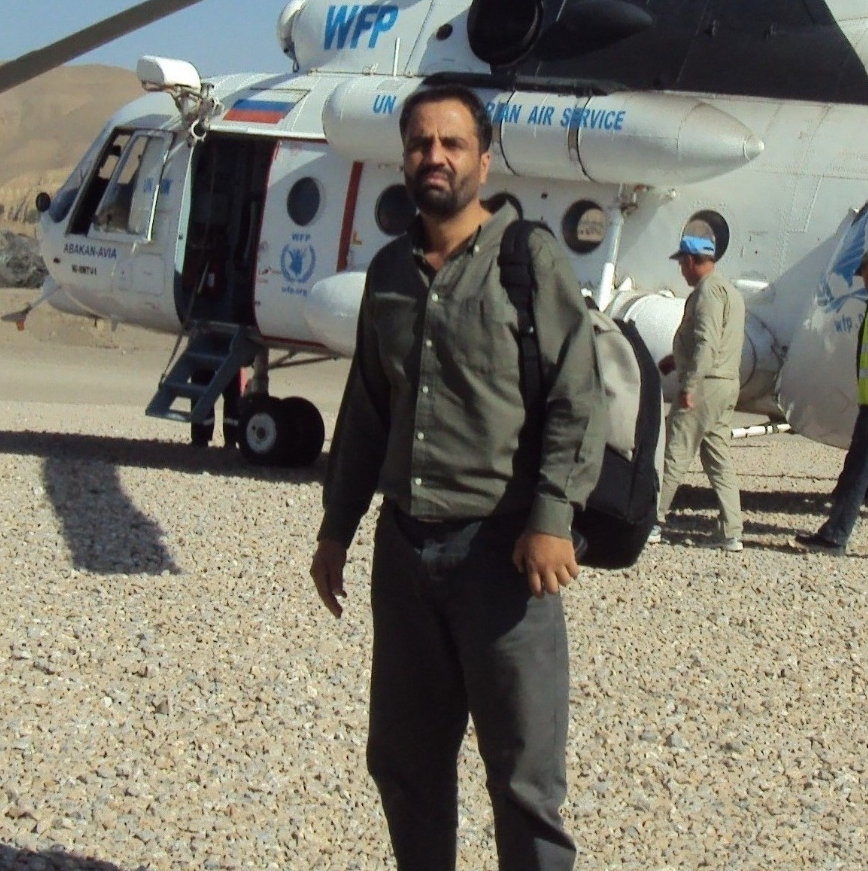
I am Zakir, born and raised in Afghanistan. I was 16 years old when we were trapped in the middle of a devastating conflict in Afghanistan in 1992. Every day felt like a fight for survival. The sound of violence surrounded us, and fear became a constant part of our lives. There were many nights when I lay awake, wondering if I would live to see the next morning. In those dark moments, I kept asking myself: If I survive this, what will my future look like? Will I ever have the chance to dream again?
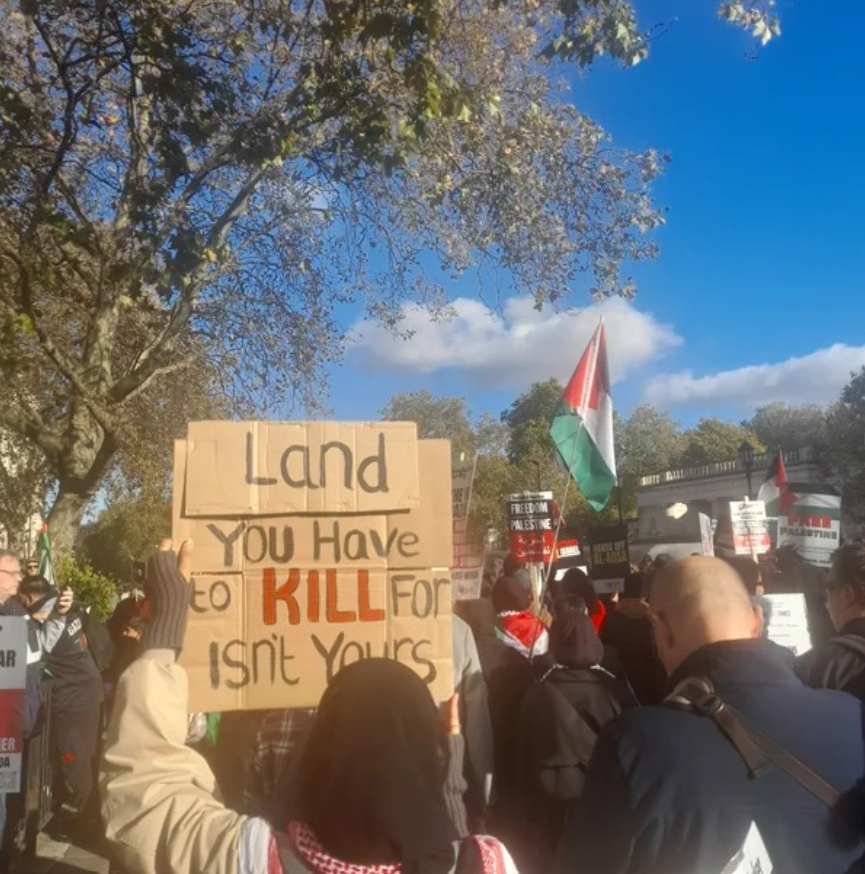
It has been 78 years since one of the most catastrophic events in modern times: the violent expulsion of more than 700,000 Palestinians from their homes following the creation of the state of Israel in 1948. The Nakba, or the great catastrophe, is commemorated annually on 15 May. At Nakba 78, there is no ceasefire, no peace, no justice. There is only genocide, continued Israeli military occupation, and increasing conflagration across the region. In addition to the original Palestinian dispossession of 1948, Nakba commemorations also highlight the continued displacement, loss, and statelessness experienced by millions of Palestinians in the Occupied Palestinian Territories (OPT), in Palestinian refugee camps across the Middle East, and in the global Palestinian diaspora around the world today.
Ishtiyaq Shukri first travelled to the occupied West Bank in 2005. For twenty years, Palestine has remained a recurring theme in his writing. His work forms part of the vast catalogue of Israeli atrocities, appalling and unchallenged violations of international law, which over decades, have culminated in the genocide currently unfolding in Gaza and the occupied West Bank, and the systematic erasure by Israel of Palestinians from the across the OPT.
For Nakba 78, we are republishing his 2005 travel journal, Palestine Journey, along with "...And 1 Can of Sardines", an extract from his novel, I See You, accompanied for the first time by photos from Shukri's personal archive from the time.

The Labour MP, Catherine West, has challenged the leadership of Keir Starmer. West, my local MP in the north London constituency of Hornsey and Friern Barnet, has much to answer for the genocide in Gaza.
"Whenever I hear a Western pundit or politician go on about 'democracy,' I say to myself, 'Oh hell, give it a rest. Nobody’s buying that crap anymore.' I think that people serious about Palestine and decolonization more broadly react skeptically to the term because we understand it to be the vocabulary of our own dispossession."

Trying to make ends meet is an impossible effort, and things are rapidly getting worse. It’s time the government listened to people like us
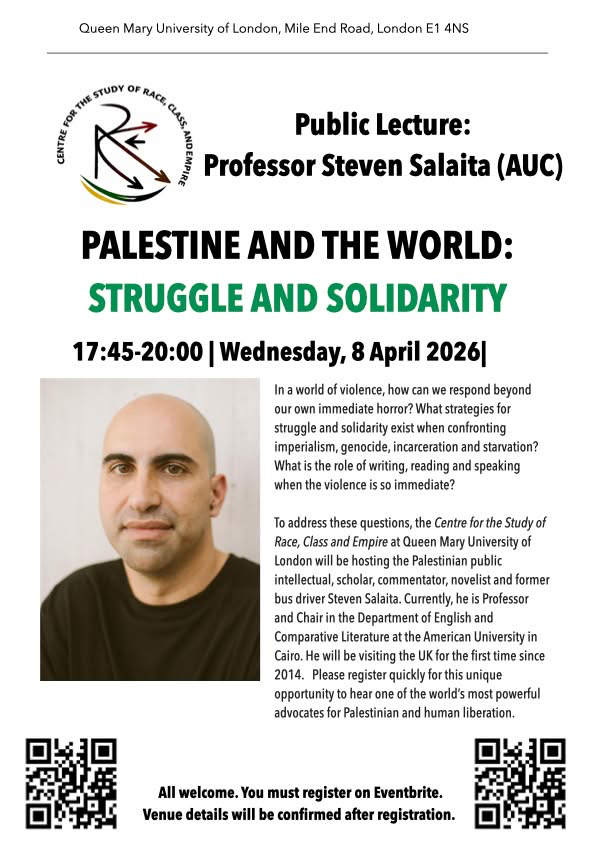
Join the Centre for the Study of Race, Class and Empire for the public lecture by Professor Steven Salaita, renowned Palestinian intellectual, scholar and novelist on Wednesday, 8 April 2026, 5.45-8pm.
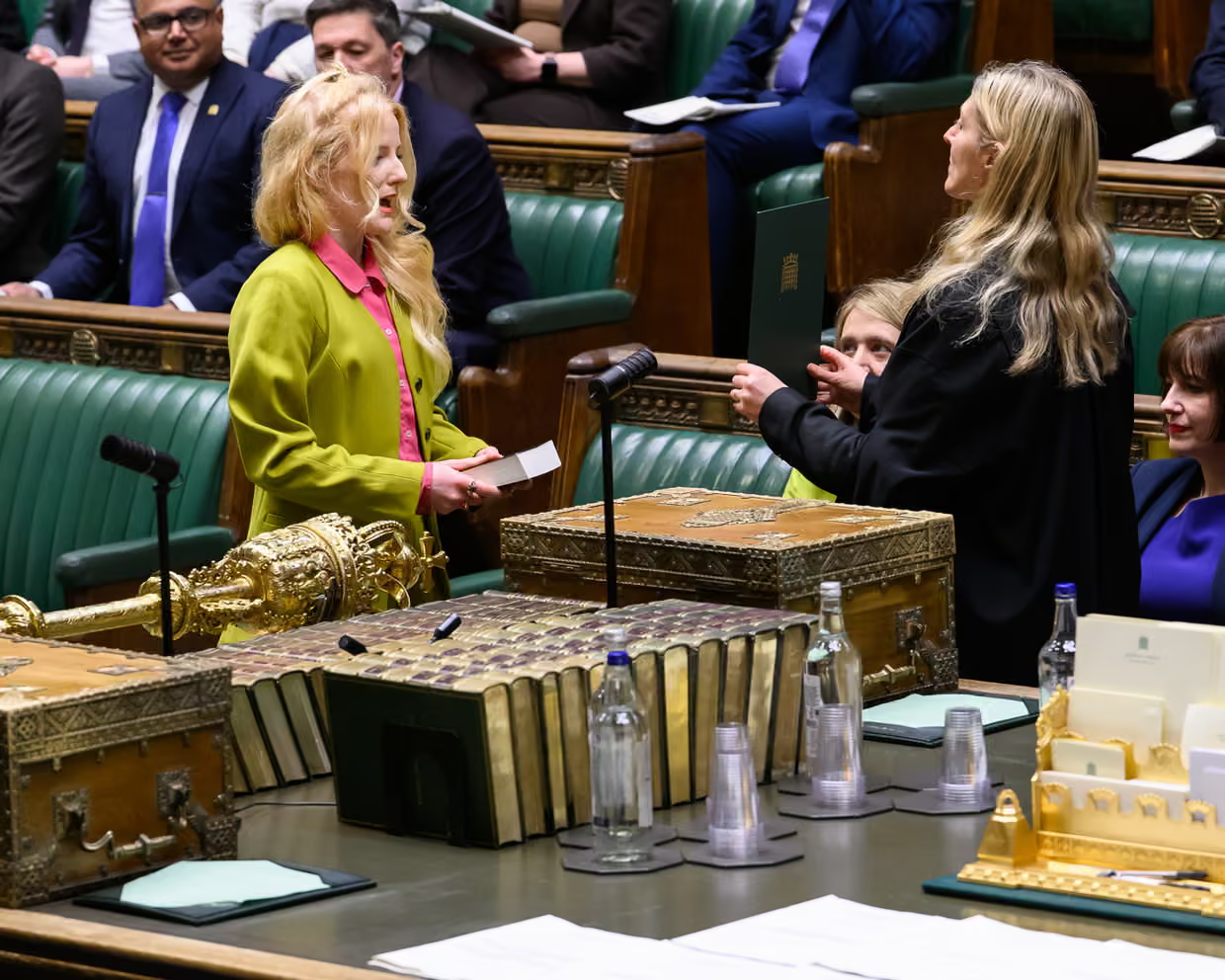
With this escalating cost of living crisis, so many are really suffering – yet Labour lacks the imagination, boldness and will to do anything about it.
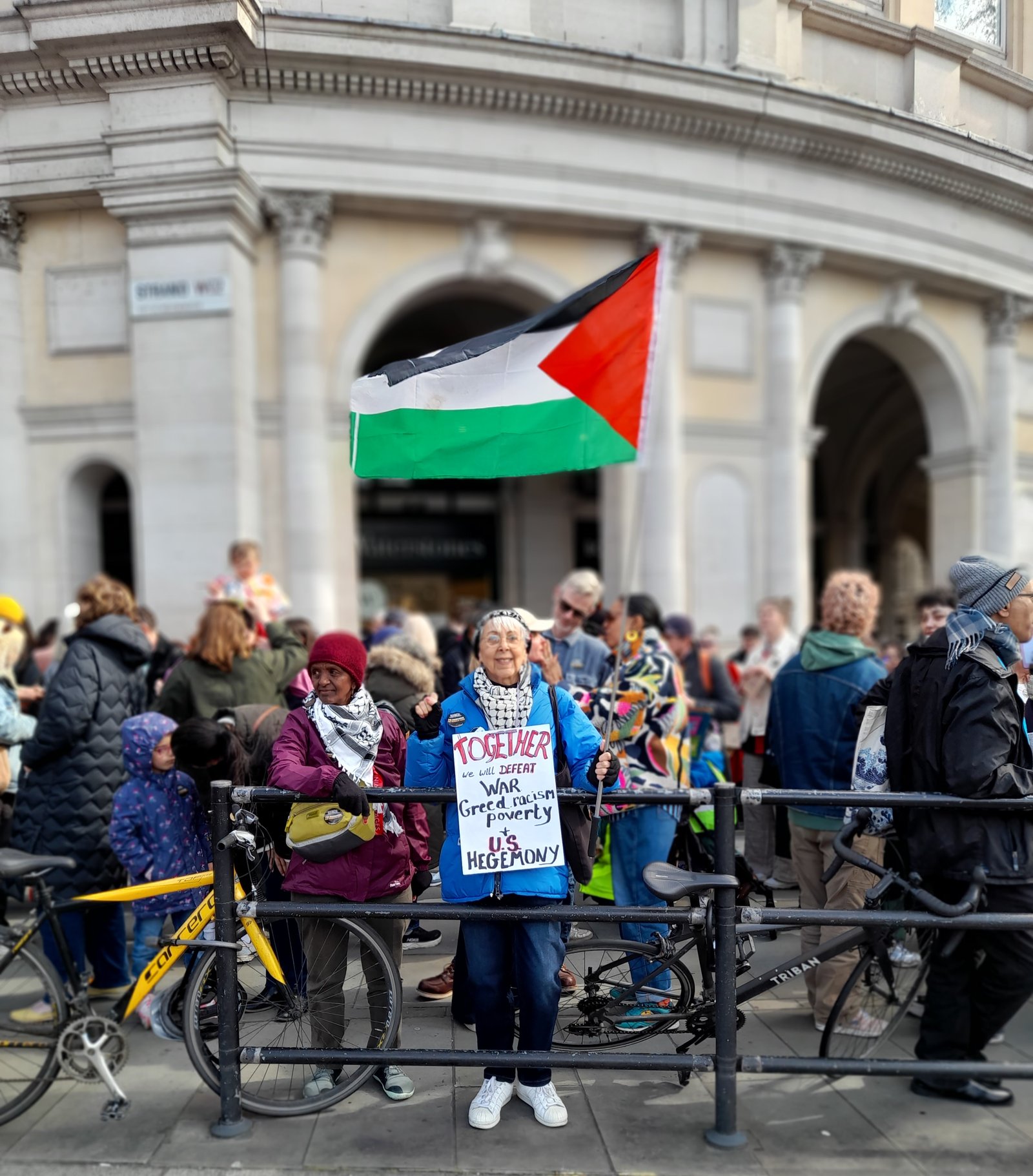
On 28 March 2026, tens of thousands of people gathered in London to march against the far right.
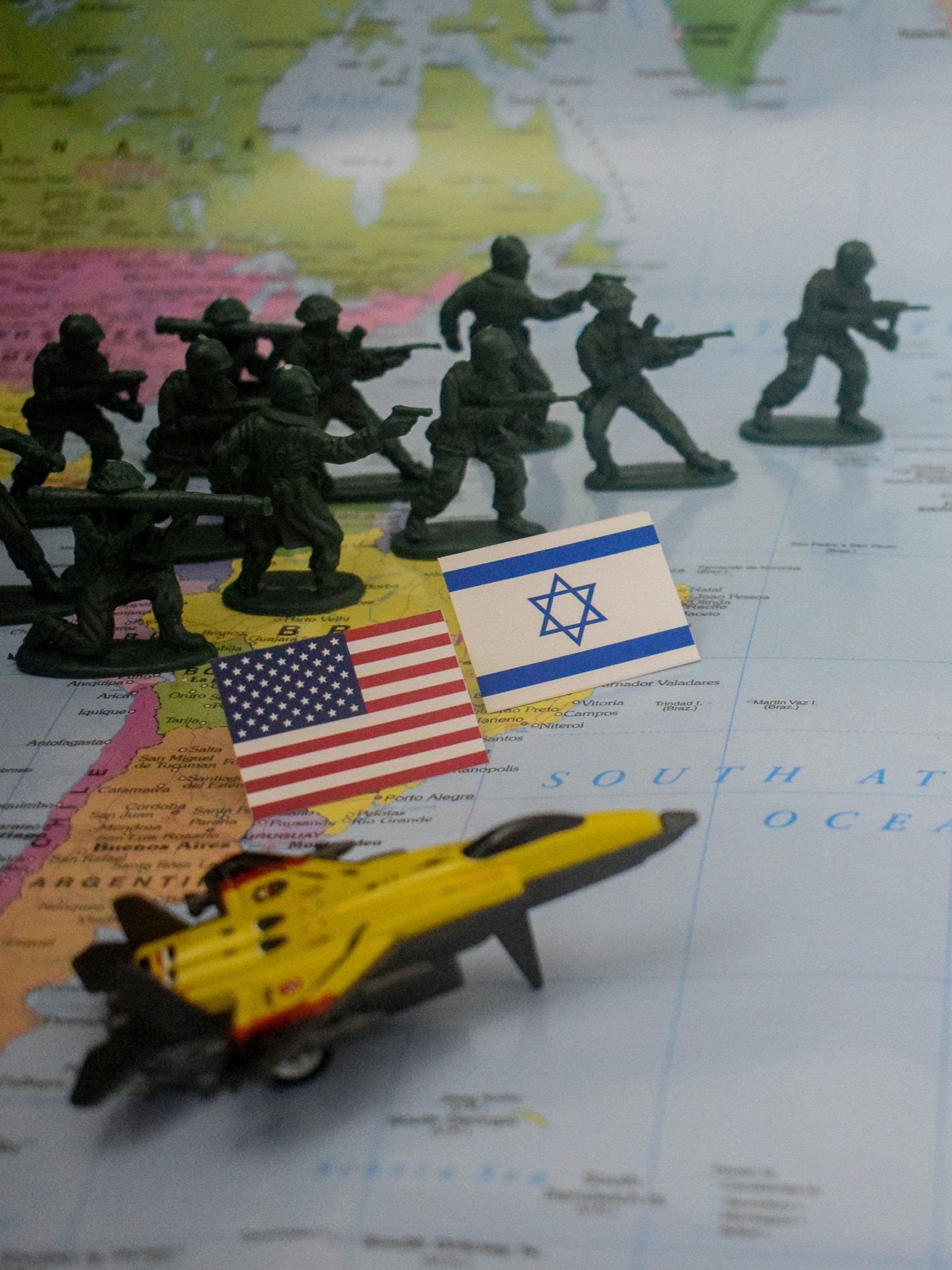
While the United States has issued only eleven formal declarations of war since 1776, it has engaged in more than four hundred military interventions. This staggering disparity underscores a pattern: the country’s most consequential conflicts rarely pass through constitutional channels but emerge from executive prerogative, shifting geopolitical anxieties, and the entrenched interests of its security establishment. The attack on Iran fits squarely within this tradition.
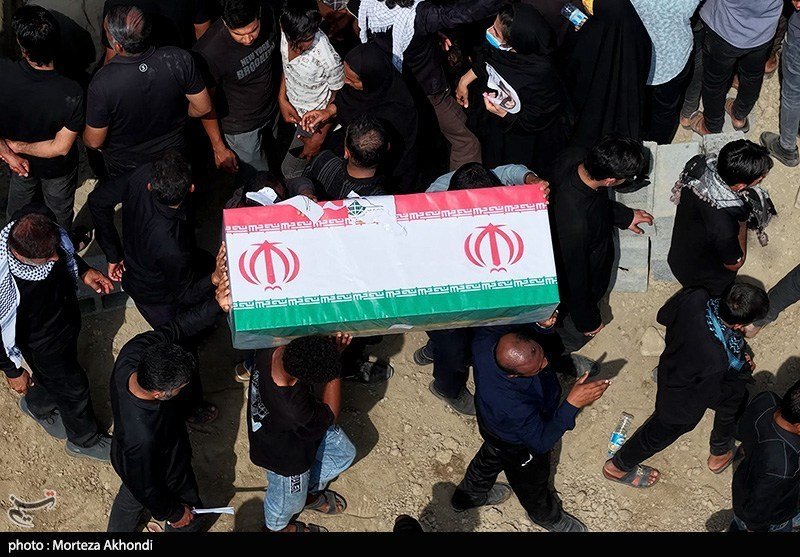
London, 5th March 2026 – The Liberal Democrat Friends of Palestine unequivocally condemns the latest unilateral and unlawful US-Israeli military action in Iran and urges the UK Government not to be complicit by allowing the US to use British military bases to attack Iran.

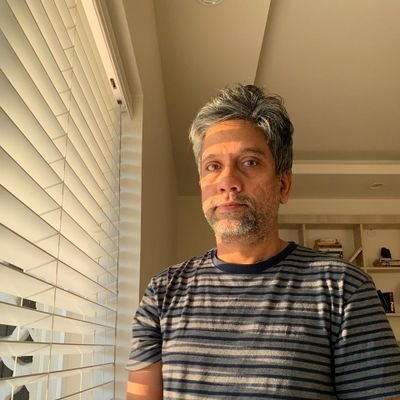
M. Zakir Stanikzai is a development professional with a strong background in humanitarian and develo …
See Full BioSign up for our newsletter to get notified on the latest blog posts.











 Unwritten Lives uses only essential cookies required for basic functionality.
We do not use analytics, tracking, or advertising cookies.
Unwritten Lives uses only essential cookies required for basic functionality.
We do not use analytics, tracking, or advertising cookies.