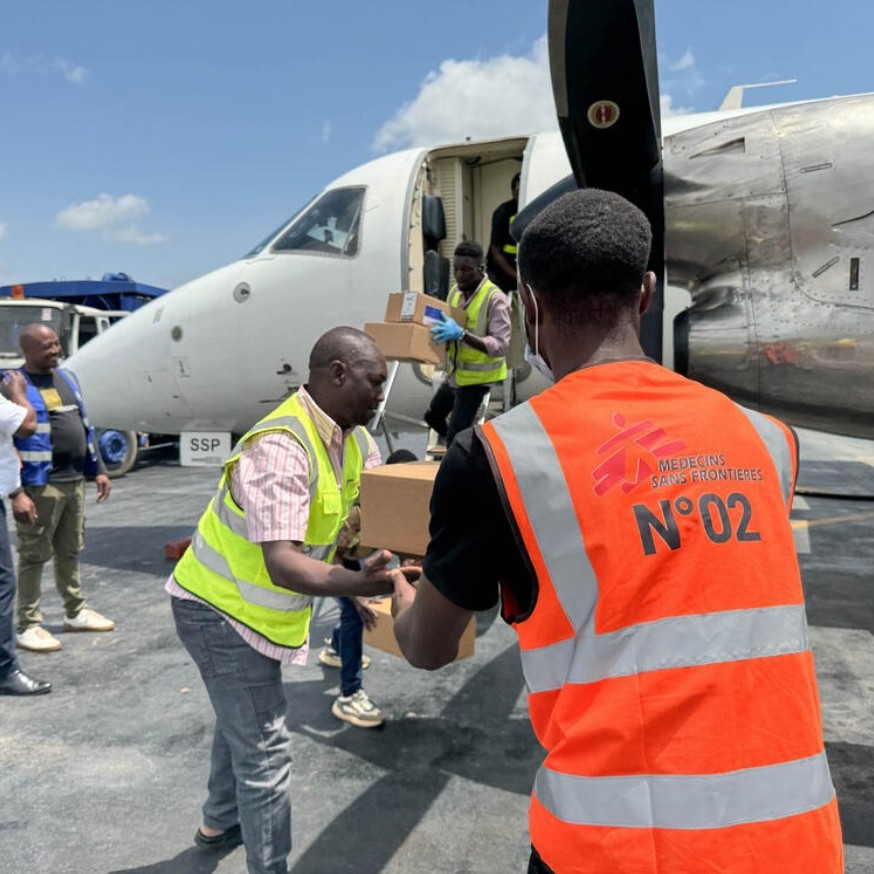
The recent outbreak of Ebola in the DRC and Uganda reflects a global hierarchy of whose lives are protected, whose diseases matter, and which crises are considered economically worth solving. It should not be normal that communities facing deadly outbreaks still depend primarily on improvisation, emergency goodwill, and delayed international attention. Neglected diseases is a euphemism for neglected populations.
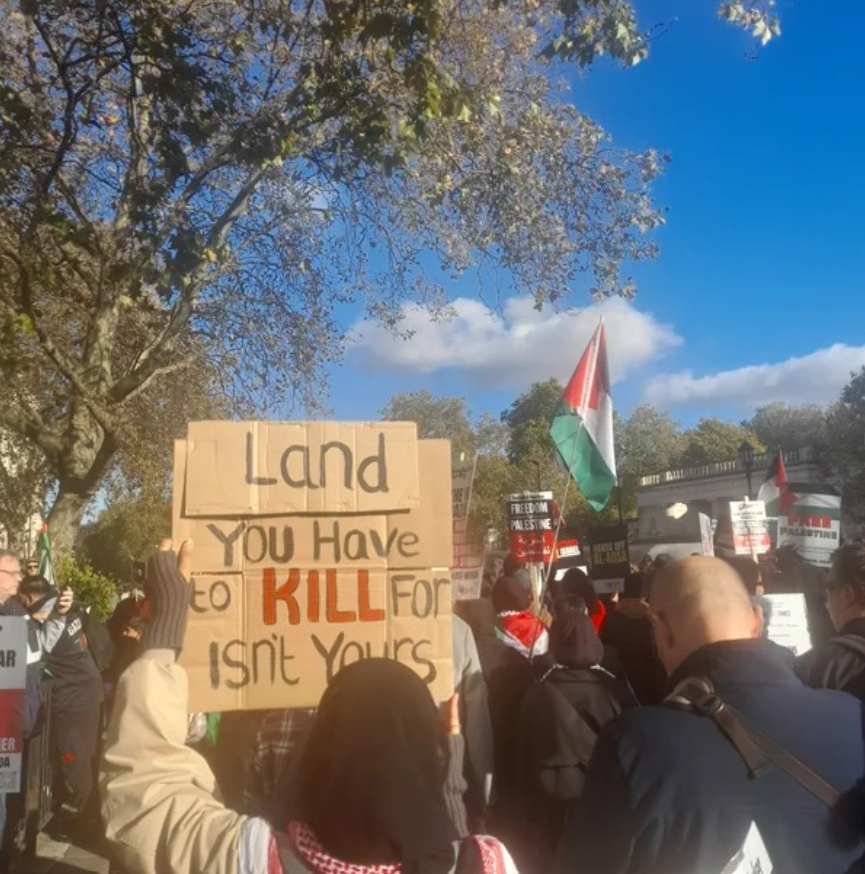
It has been 78 years since one of the most catastrophic events in modern times: the violent expulsion of more than 700,000 Palestinians from their homes following the creation of the state of Israel in 1948. The Nakba, or the great catastrophe, is commemorated annually on 15 May. At Nakba 78, there is no ceasefire, no peace, no justice. There is only genocide, continued Israeli military occupation, and increasing conflagration across the region. In addition to the original Palestinian dispossession of 1948, Nakba commemorations also highlight the continued displacement, loss, and statelessness experienced by millions of Palestinians in the Occupied Palestinian Territories (OPT), in Palestinian refugee camps across the Middle East, and in the global Palestinian diaspora around the world today.
Ishtiyaq Shukri first travelled to the occupied West Bank in 2005. For twenty years, Palestine has remained a recurring theme in his writing. His work forms part of the vast catalogue of Israeli atrocities, appalling and unchallenged violations of international law, which over decades, have culminated in the genocide currently unfolding in Gaza and the occupied West Bank, and the systematic erasure by Israel of Palestinians from the across the OPT.
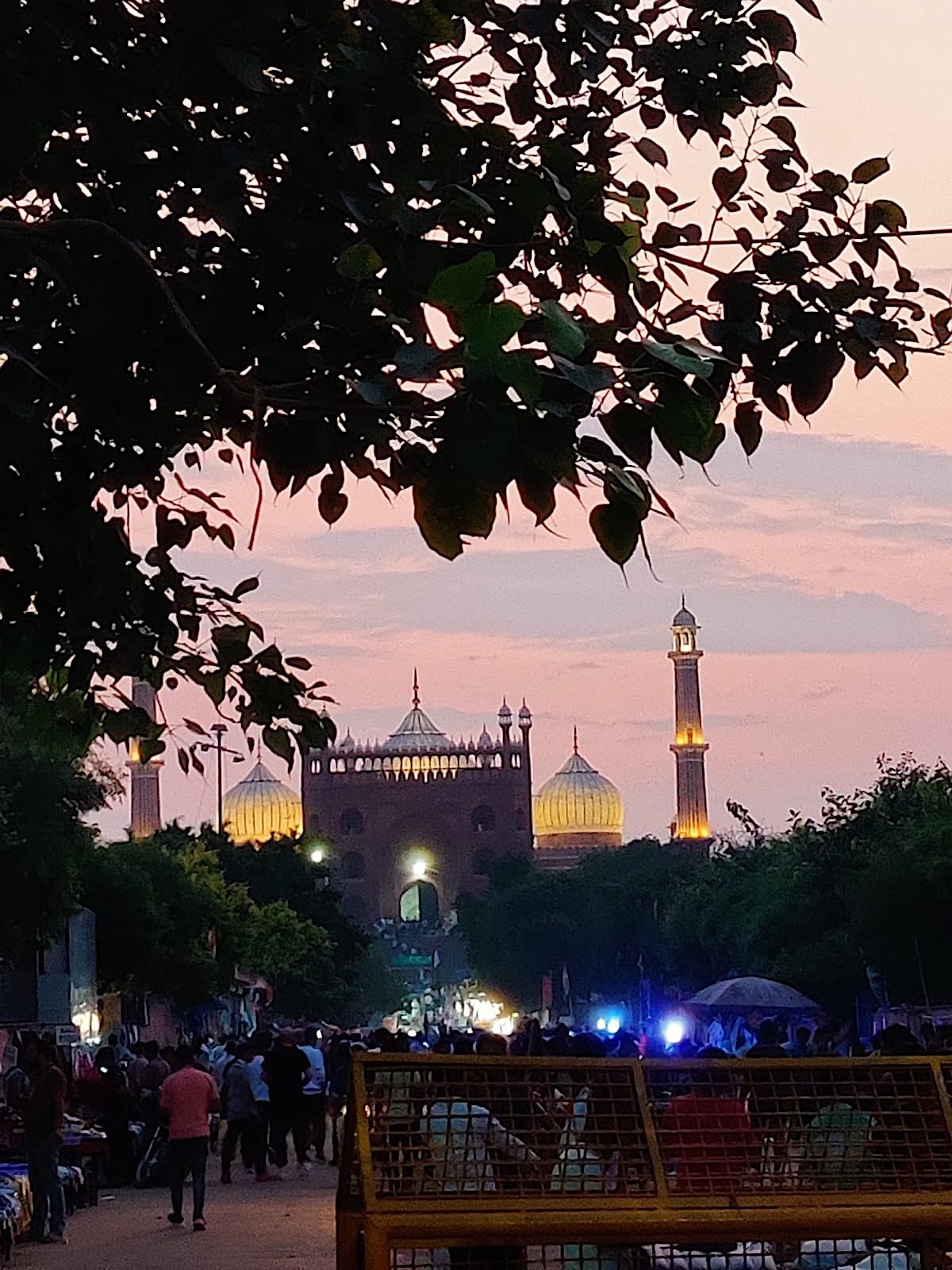
For Nakba 78, we are republishing his 2005 travel journal, Palestine Journey, along with "...And 1 Can of Sardines", an extract from his novel, I See You, accompanied for the first time by photos from Shukri's personal archive from the time.
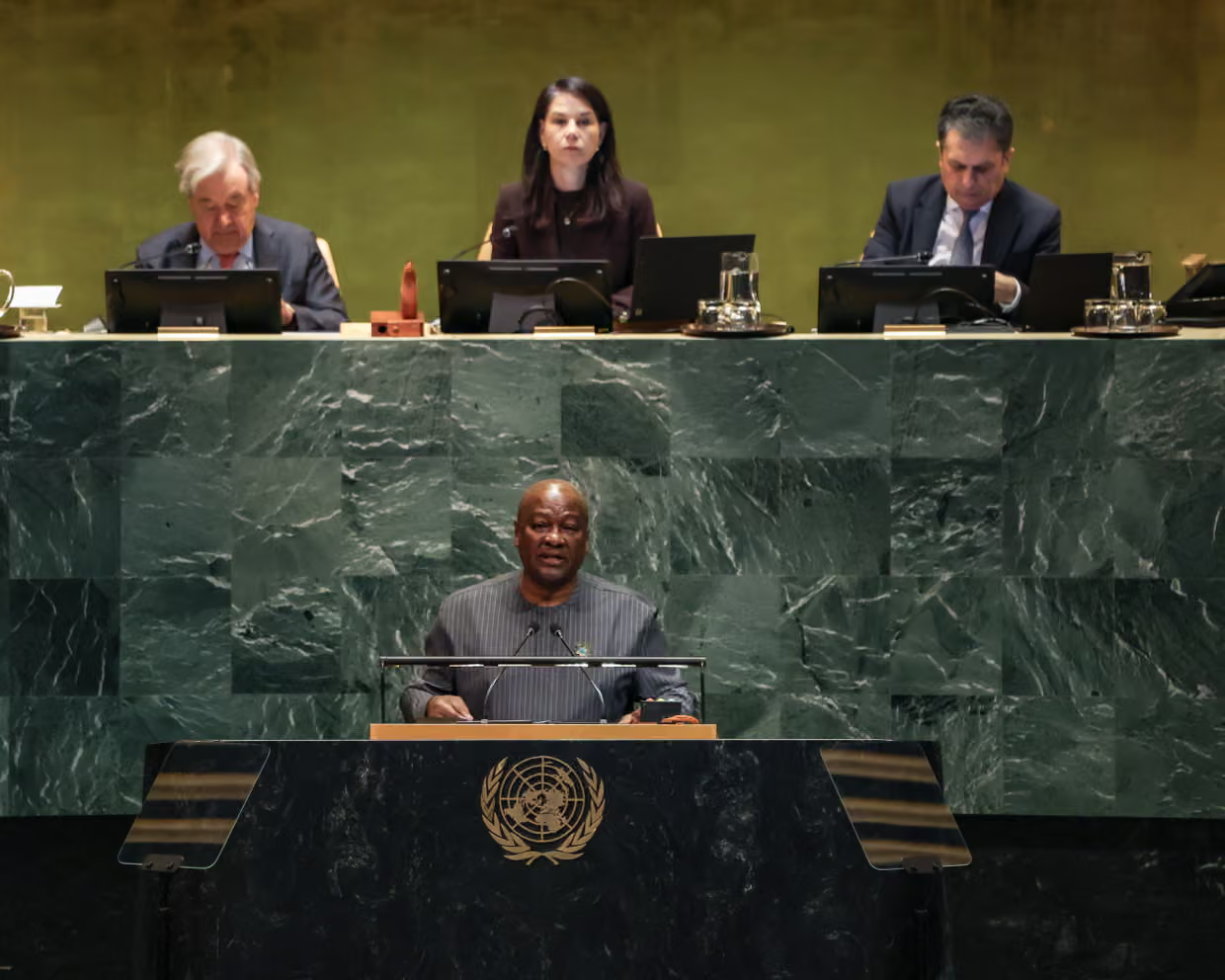
The UK and EU countries who abstained when Ghana’s UN resolution was adopted may soon find it harder to sustain the same old script on reparations
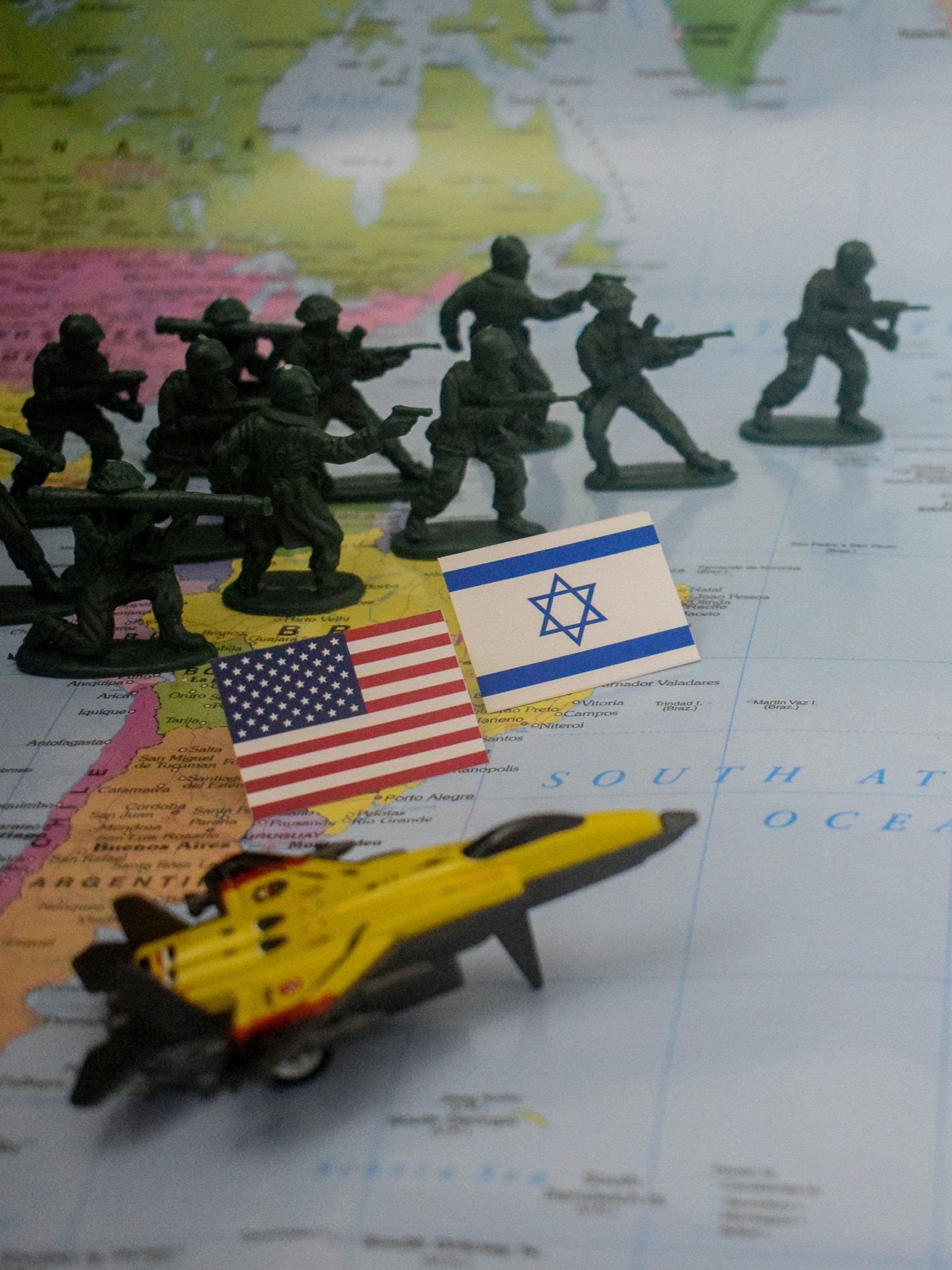
While the United States has issued only eleven formal declarations of war since 1776, it has engaged in more than four hundred military interventions. This staggering disparity underscores a pattern: the country’s most consequential conflicts rarely pass through constitutional channels but emerge from executive prerogative, shifting geopolitical anxieties, and the entrenched interests of its security establishment. The attack on Iran fits squarely within this tradition.
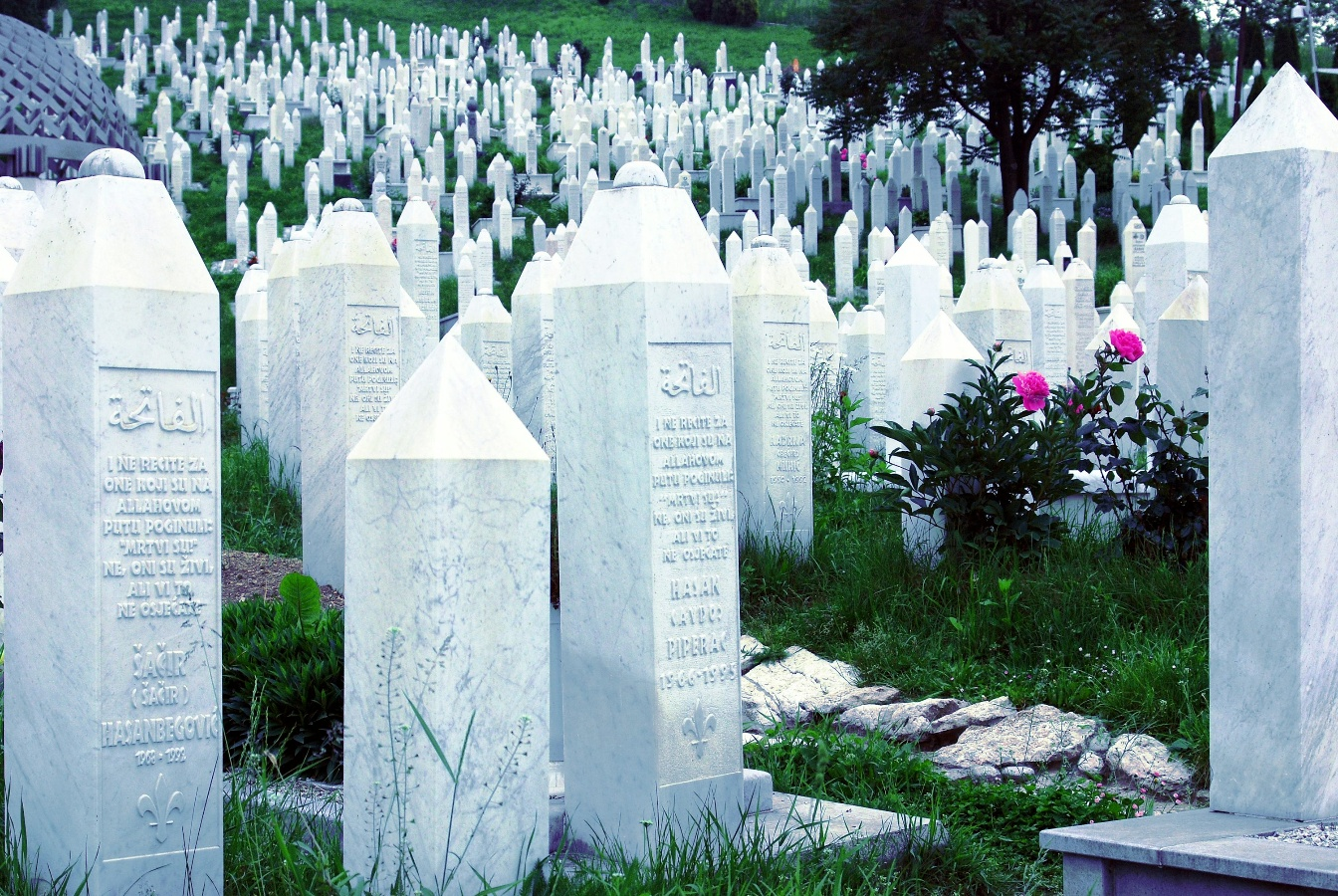
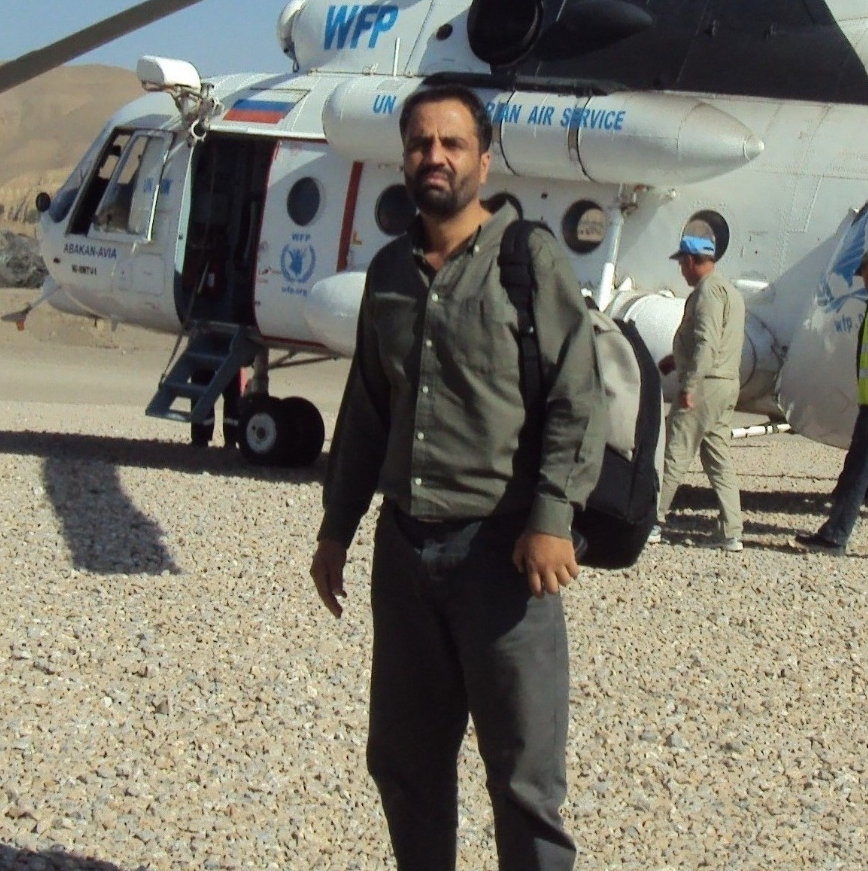
Eric Stobbaerts was a senior humanitarian on the ground in the former Yugoslavia from late 1993 to early 1995. Three decades after the Srebrenica genocide in which more than 8,000 Bosniak Muslim men and boys were killed by Bosnian Serb forces under Ratko Mladic, he remembers the painful failures on the part of the international community that led to the massacre, and the lessons that should have been learned.

Eric Stobbaerts was Head of Mission for Médecins Sans Frontières (MSF) in the former Yugoslavia from …
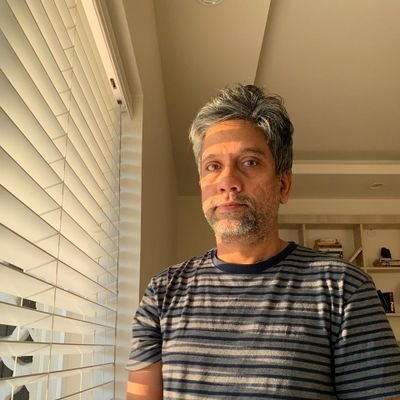
See Full BioSign up for our newsletter to get notified on the latest blog posts.











 Unwritten Lives uses only essential cookies required for basic functionality.
We do not use analytics, tracking, or advertising cookies.
Unwritten Lives uses only essential cookies required for basic functionality.
We do not use analytics, tracking, or advertising cookies.