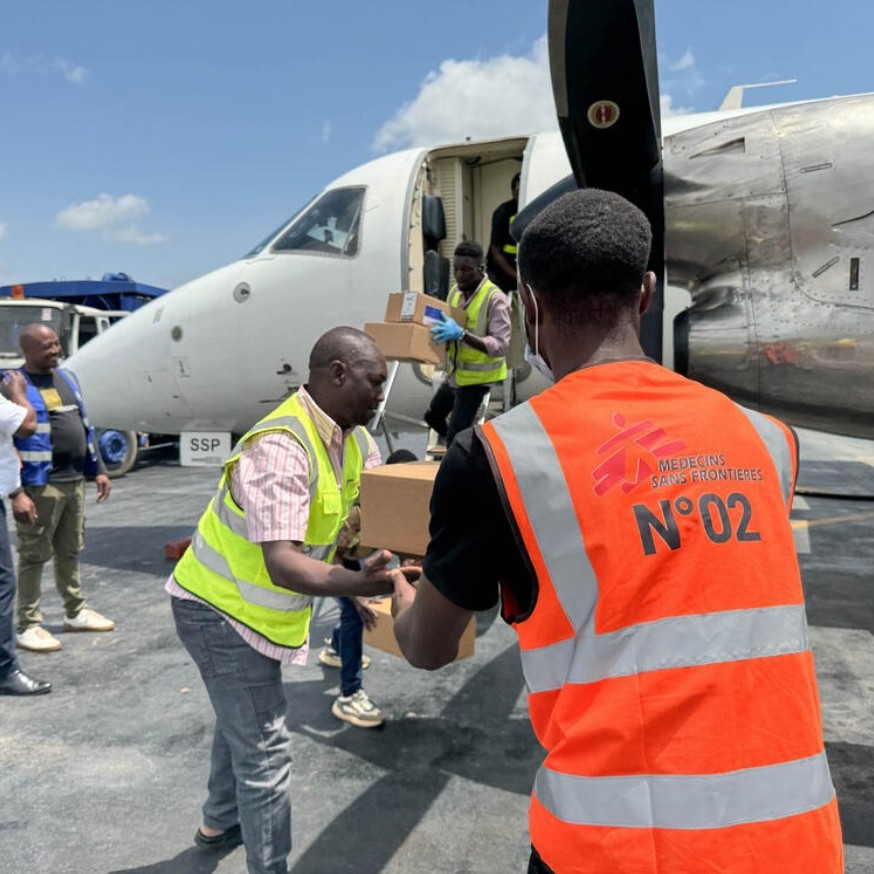
The recent outbreak of Ebola in the DRC and Uganda reflects a global hierarchy of whose lives are protected, whose diseases matter, and which crises are considered economically worth solving. It should not be normal that communities facing deadly outbreaks still depend primarily on improvisation, emergency goodwill, and delayed international attention. Neglected diseases is a euphemism for neglected populations.
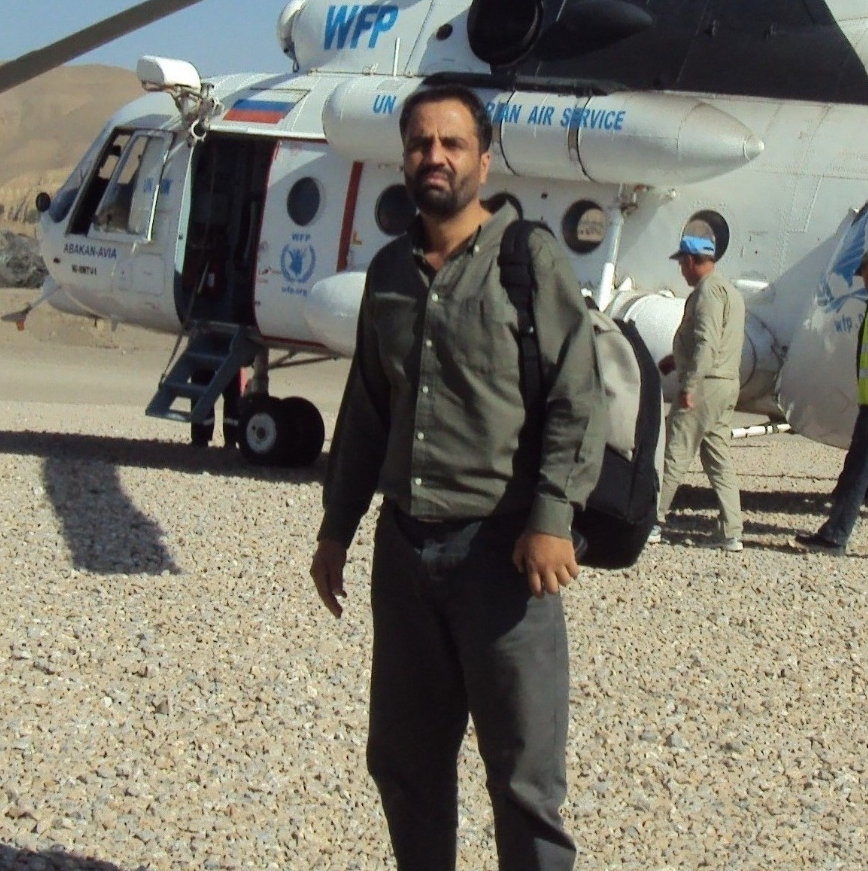
I am Zakir, born and raised in Afghanistan. I was 16 years old when we were trapped in the middle of a devastating conflict in Afghanistan in 1992. Every day felt like a fight for survival. The sound of violence surrounded us, and fear became a constant part of our lives. There were many nights when I lay awake, wondering if I would live to see the next morning. In those dark moments, I kept asking myself: If I survive this, what will my future look like? Will I ever have the chance to dream again?
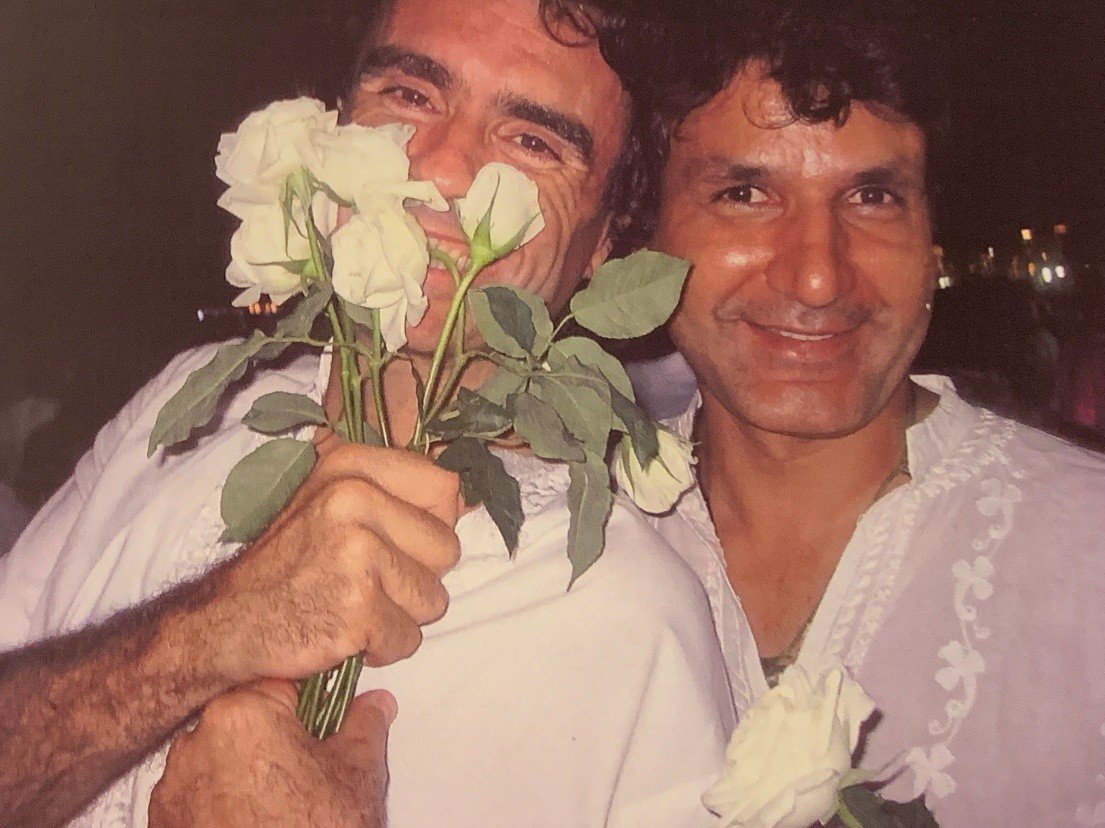
It has been 20 years since the UK’s first same-sex civil unions took place on 19 December 2005. Adnan Ali and Eric Stobbaerts were one of the first gay couples in London to form a civil partnership on that historic day. They are both busy men with global lives. Unwritten Lives was glad to catch up with them in London, where the couple spoke with Ishtiyaq Shukri.

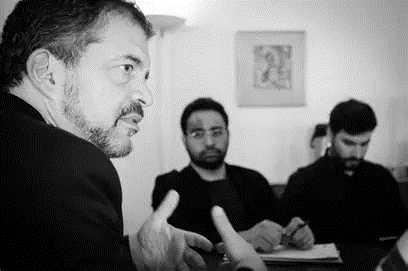
Eric Stobbaerts was a senior humanitarian on the ground in the former Yugoslavia from late 1993 to early 1995. Three decades after the Srebrenica genocide in which more than 8,000 Bosniak Muslim men and boys were killed by Bosnian Serb forces under Ratko Mladic, he remembers the painful failures on the part of the international community that led to the massacre, and the lessons that should have been learned.

Eric Stobbaerts was Head of Mission for Médecins Sans Frontières (MSF) in the former Yugoslavia from …
See Full BioSign up for our newsletter to get notified on the latest blog posts.










 Unwritten Lives uses only essential cookies required for basic functionality.
We do not use analytics, tracking, or advertising cookies.
Unwritten Lives uses only essential cookies required for basic functionality.
We do not use analytics, tracking, or advertising cookies.